
Benefits of Roof Restoration

If your roof has seen better days, it’s probably looking worn and leaky. You’re now pondering on whether to repair, restore, or replace the entire roofing. When your roof starts showing sign of age, roof repair and replacement aren’t the only options. Restoration is a more cost-effective way to add more life to your existing roof.
Roof repair, restoration, and replacement: what’s the difference?
Many homeowners can’t quite tell the difference between roof repair and restoration. The difference is quite simple; roof repair deals with specific roof problems as identified by an experienced roofer. So here, the roofer may fix a leaking roof or replace damaged shingles and that’s about it. Roof restoration, on the other hand, is more intensive and comprehensive. It involves cleaning, repairing and re-coating. You can think of roof restoration as a complete roofing makeover. It prolongs the life of your roof while saving you the expense of a full roof replacement. As a fact, roof restoration costs 50-70% less than replacement, yet it still prolongs the life of your roofing. And, this is not the only benefit: Here are more benefits.
Restoration Provides Tax Benefits
While replacement is considered a capital expense, restoration falls under maintenance budget making the latter have a strong tax advantage. Since roof restoration is a maintenance expense, you can immediately expense your costs. In most instances, you’re likely to pay more when you capitalize the expense and recover the costs through depreciation than you would when you take the current maintenance deduction. Ideally, roofs have an average life of 20 years. The idea behind restoration is to extend your roofs life as long as possible.
Minimal Disruption to Day-to-Day living
A roof replacement requires removing the old roof, gathering the remnants from the site, then finally building the new roof; a process that involves welding, drilling, and nailing. With roof replacement, disruption is inevitable. Conversely, roof restoration is less intrusive, faster and cleaner (no odors and harsh chemicals to deal with). During the initial installation phases, you can conduct business as usual.
Eco-Friendliness
Roof restoration promotes environmental responsibility. The remnants of your existing roof, when you choose to replace the roof, end up in the already overflowing landfills. Roof restoration is an excellent way to recycle and reuse the current building materials. More on eco-friendliness: opt for cool roof coatings that emit lower carbon dioxide and other emissions into the air. Cool roof coatings decrease smog formation and respiratory illnesses. Furthermore, cool roof coatings are highly reflective, increasing solar reflectivity thus reducing interior coating costs.
Prevents Catastrophic Losses
Finally, restoring your roof can prevent a catastrophic loss. As age catches up with your home, the roof deteriorates over time, and the likelihood of roof leaks increase. As time passes, the damage becomes worse and at some point, if you fail to take immediate action, the only option will be a total replacement. Continued neglect on roof repairs can put the whole structure at risk. Instead of handling one repair after the other, the solution to an aging roof is restoration.
Roof repairs, restoration, and replacement all have their time and place. After a thorough inspection, a professional roofer should be able to help you decide the best cause of action concerning your roof.
What’s the best roof type for a conservatory?

If you’re keen to stamp your property’s value, maximize the light coming into your home, or just create a space to stargaze at night, a conservatory will make a stunning addition to your home. The choice of the materials to use will depend on what you’re looking to achieve by building the glasshouse. To help you decide, this article highlights the pros and cons of the three most common roofing materials used to build conservatories.
Glass Roofs
Glass is the most popular material used for conservatory roofing. Apart from letting in lots of natural light, glass is weather resistant, less prone to scratches and the most aesthetically appealing. If you want to enjoy looking at your lush outdoor garden or star-gaze in wee hours of the night, a glass-roofed conservatory will serve your desires.
One downside of glass roofing, is the intensity of the sun’s glare. Many homeowners whose conservatories are glass roofed complain of fading furniture and fabrics from the sun rays. Fortunately, these days, this no longer needs to be a problem. Coated glass provides better temperature control properties. Besides, double glazed panels with the special coating self-clean reducing the hassle of maintenance.
The other disadvantage of glass, is its delicate nature. To avoid damages, homeowners should hire qualified roofing contractors for installation.
Tiled Conservatory Roofs
Tiled conservatory roofs have thermo performance capabilities comparable to no other material. Effective insulations mean that your home will stay warmer in the winter cooler in the summer months. If you have energy-hungry heating appliances such as electric heaters, this feature will help you cut on your energy bills.
Sitting in a glass-roofed conservatory when it’s raining, may bring a nostalgic smile on your face as you reminisce those childhood days in a dodgy caravan, but if you want to read a book from your conservatory, the noise will be a lot less amusing. Tiles provide better sound insulation which means you’ll have a more quiet and calm living space extension. The downside of tiled conservatories is they may not be as bright as those made of glass but guess what! You can install Velux-style windows to enjoy some of that natural light.
Polycarbonate Roofs
If you’re on a shoestring budget, you might want to opt for polycarbonate roofing. This material is 3-4 times cheaper than glass and this is not the only draw; polycarbonate has UV blocking properties meaning you won’t have to endure harsh sun rays. Again, this material is extremely light and can easily be transported to where it’s needed. Polycarbonate is also resistant to heat and sunlight; it can last for years without fading or discoloring.
The downside with polycarbonate roofs is that they are opaque in nature which means they allow less natural light into the house. This material also has less superior sound insulation properties thus will let in more noise from outside. Moreover, regarding aesthetics, polycarbonate and glass are incomparable- glass roofing always takes the lead.
Clearly, each material has its advantages and disadvantages. Before deciding what to pick, consider your priorities. For instance, if what you want is a sunroom that lets in as much light as possible into the house, a glass roofed conservatory would be a better pick compared to a tiled one.
Attic Smells You Should Never Ignore

Here is a scenario to consider: You lying on the couch after a long day at work but you keep turning your noise; thanks to a lingering odor that won’t go away. The odor becomes more disturbing and you decide to sniff around the house but, unfortunately, you can’t seem to identify the source of the smell. Finally, you decide to peek up into the attic and you’re overwhelmed by an unbearably bad odor. Sounds familiar? Attic smells is an all-too-common problem among homeowners, especially during spring. To address the bad odor, you must first identify the cause. This article will walk you through the most common attic odors and how to deal with them.
Mold
A musty odor is a sure sign of mold and mildew growth in the attic. In many homes, unfortunately, attics are dark and poorly ventilated making a prime hot spot for mold and mildew. Arguably so, musty smells happen to be one of the most common types of attic odors. Mold growth in the attic is caused by excess humidity in the attic. Several things could be causing excess moisture in the attic.
The first and the most common is roof leaks. A small leak may not cause a trickle down through the roof and into your living quarters, but its effects up there are just as disastrous. When you notice a musty smell, the best call of action is to invite a roofing repair company for inspection. If you ignore a leaky roof, you’ll end up dealing with expensive damage caused by mold growth.
Broken pipes running through the attic could also cause excess humidity. Also, poor ventilation may lead to moist air being trapped in the attic causing mold growth. Musty smells, wood rot, visible mold, deterioration of masonry are all problems caused by humidity, the cause could be any of these reasons, a roofing professional will help identify the cause.
Dead rat
A rancid, foul, putrid, the smell of decay is how a dead rat in the attic smells. It’s very distinct and one of the worst smells you’ll ever encounter in a building. Unlike the musty smell of mold, the smell of a dead rat in the attic is pretty easy to pick even before you go peeking in the attic. Since rats can transmit diseases, getting rid of rat carcass can put your health at risk, at least according to the Center for Disease Control and Prevention (CDC). Once you ascertain it’s a dead rodent up there, call a rodent control professional for safe handling of the carcass. A permanent solution to get rid of rodents in the attic is to seal any entry holes around the house.
Rodent Droppings / Urine
Rats don’t need to die to rank your attic with a foul smell! A combination of rodent droppings and their urine will cause your nose to wrench just as much. Mice droppings may only be the size of a grain of rice, but their stench is unforgettable (and not in a nice way). Their urine is just as worse, so you can imagine how the combination of both should smell. Again, the solution is to stop rodents from camping in your attic by sealing any entryways.
Routine cleaning and paying your attic regular visits will help you deal with some of these issues in a timely manner before they invade your peace of mind.
Undeniable Benefits of Hiring a Local Roofing Contractor

The steady progression of globalization has led to an increased competition in the marketplace. Now, more than ever, local contractors are finding themselves in competition with larger national contractors. By maximizing on economies of scale, national companies can charge lower prices for their roofing services. However, hiring a local roofing company can offer benefits that an international company — just cannot. Have a look at three benefits you’ll get by hiring an experienced roofer in Winnipeg locality.
Experience in Your area: When you work with a local roofing company, they know the local codes for permits, which means you won’t have to deal with non-compliance issues. Tapping from their great relationships with local suppliers, local roofing contractors are more likely to get prompt supplies at great discounts. With this, a local contractor is likely to complete your project faster than an international one. Contrary, an out-of-town contractor may end up facing a lot of setbacks and end up prolonging the time taken to complete your project.
More Money Stays in Your Community: When you hire a local contractor, more of your money stays in the community. According to research, whenever you spend $200 with a local company, $136 of that money remains in your community. Think about this: when you hire a local roofing contractor, he will shop in a local supermarket, buy lunch locally, and most likely pay school fees in a school in your locality. As that money circulates in other businesses, the local economies thrive. In contrast, when you hire a national contractor, only $84 of $200 stays in the community. A big chunk cash goes somewhere else. This, in the long run, hurts the local economy. Yet, healthy local economies stimulate growth and innovation in the community providing more employment opportunities. These are just but the few benefits of a thriving local economy.
Better References: When you work with a local roofing contractor, you can walk into their offices and go through their portfolio. You might also know some of their past clients who can give you a review. Besides, a local contractor’s reputation is everything. In a bid to keep their business standing, they are more likely to provide ″an above and beyond experience″ to increase their customer retention. In contrast, when dealing with international contractors, you may not get a chance to talk to their previous clients or even walk through any of their model homes. An international company may, unfortunately, turn out to be a fly-by-night contractor, who disappears at some point during the process, for the feeling that nothing much is at stake. For your peace of mind, hiring a local contractor is your best bet.
The roof protects the entire house along with your possessions and family. So, whether you’re installing a new roof, repairing an existing one, or calling a roofer for an inspection; the roof is a big deal. A seemingly small repair is never cosmetic and could potentially turn into a hazard when handled by a quack roofer. This is why you need a contractor whose office you can walk into, one who can direct you to actual references, and one who also knows his way around your locality; the suppliers, and the weather complications.
What’s That Strange Noise Coming From the Roof?

Is it some animal seeking warmth? Or is it just the wind? You keep hearing some popping, snapping and cracking sounds coming from your roof at the wee hours of the night and you’re convinced that your house is haunted. The noises may not have a pattern, and will often happen at random, keeping you up at night. Knowing the possible causes of those startling noises will help you decide when to call a contractor to inspect your roof, and when to just curl up in the blanket and simply just ignore the popping. Or better still, get some foam earplug to limit the noise disruption for some quiet sleep.
Physics may have something to do with it
During winter, the effects of thermal expansion and contraction on the roof are more notable. Normally, the days will be warmer and sunny but at night, temperatures drop dramatically. This causes rapid shrinking of the exposed building materials which then explains the creaking and snapping noises in cold seasons. At night when the temperatures fall, the roof components rub against each other as they cool off, causing the noises. As the staples contract making some loud cringing noise, the wood rubs against one another, causing the creaking sounds. Improving insulation in your roof will not only moderate temperatures, but also reduce outside noises.
Mother nature has piled up some ice on your roof
When mother nature decides to pile frozen precipitation on your roof, it may produce unusually loud popping and creaking sounds. Beyond the startling noises, snow accumulation on the roof should be a cause for alarm requiring you to take prompt action. If you notice signs of gutters pulling away from the roofing, a sagging roof, or a leaking roof, remedy the situation by inviting Winnipeg roof snow removal experts to stop further damage. Left unattended, excessive weight from snow will eventually cause severe structural roof problems and eventually, this may cause serious property damage. Flat roofs are particularly more vulnerable to snow accumulation.
Mice be gone!
Though the gnawing or scratching noises may sound like an apparition in the attic. In reality, however, it’s the tiny nails or teeth of rodents in the roof. In the kingdom of rodents, rats and mice happen to be the most adaptable in regards to habitat. As a fact, mice will happily coexist with humans in different environments. This explains why they are such a persistent nuisance to humanity. Rodents are notorious for squeezing in incredibly small spaces to gain entry. Any gaps in your sealing, cracks, and holes in your roof and vents all make great entryways for rats. Mice will also easily gnaw through wood, so old roofing may be more prone to these unwanted guests. You can discourage rodents from entering your attic by calling a roofing contractor to inspect and seal any entryways.
All houses, whether new or old, make plenty of noise. Furnaces hum, air conditioners vibrate, and wooden floors creak. You might not notice this house-sound symphony during the day, but as things calm down at night, all those noises become more heightened. Of importance is to know which noises are a cause for concern.
Eco-Friendly Living: Why are Green Roofs Beneficial to the Community?
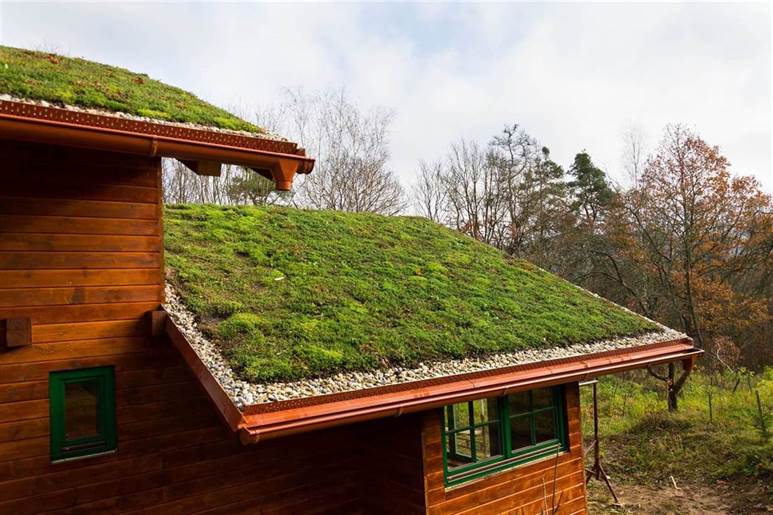
A green roof, also known as a living roof or a rooftop garden involves growing plants such as grass and lichens on the rooftop. As urbanization continues to replace vegetation, the need to recover green space has continually become critical to mitigating the negative impact of development. Living roofs do exactly that; they replace the vegetative layer that was destroyed when the building was put up. Their importance goes beyond improving aesthetics. Their growing popularity can be linked to their numerous social, environmental and economic benefits. Winnipeg roofing takes you through the various social benefits of installing a lush rooftop garden.
Mitigates stormwater runoff
One of the primary benefits of rooftop gardens is the mitigation of stormwater runoff. The prevalence of impervious surfaces in urban areas exacerbates flooding, and may result in raw sewage finding its way into the rivers, causing tremendous water pollution. An overflow of sewers means that a great quantity of water must be treated before it is potable. This eats into the municipal water treatment budgets. Storm analysts report that a typical city block contributes to more than five times more stormwater runoff than a woodland area of similar size. In light of this, the presence of a living roof in the event of a storm absorbs and filters water, which significantly lowers the risk of flash flooding and sewer overflows. How this works: Green roofs absorb stormwater, then slowly release it over a period of several hours, which reduces rapid runoff.
Sound insulation
If you live in a high traffic area, you can create a quieter environment by installing a rooftop garden. A combination of soil, plants, and trapped layers of air that are found within a green roof system, insulate a house from noise. Plants absorb, reflect or deflect high frequencies of sound. The extent of sound insulation, however, depends on the depth of the substrate and the system used. For example, a green roof with a 20cm substrate layer can reduce the sound by 46-50 dB while a 12cm will reduce it by 40dB. In simpler terms, the deeper the substrate, the greater the sound insulation.
Green roofs also reduce smog and improve air quality
According to a research by the Ontario Medical Association in Canada, air pollution contributes to 9,500 premature deaths per year, a lost productivity of up to $374.18 and as if this is not enough, it also increases costs of healthcare up to $506.64 million. With continued industrialization, population and traffic growth, these conditions are expected to worsen. The typical urban environment is made up of ammonia, sodium chloride, sulfate, mineral dust, and black carbon. All these are the results of human activities combined with factory emissions. Plants, through their natural processes of respiration and photosynthesis, can reduce the detrimental effects of urban environments by taking up the pollutants and improving the air quality.
A major obstacle, and one that discourages may homeowners from installing a rooftop garden, is the initial cost. Typically, living roofs cost two to three times more than impervious roofs. Although expensive at first, green roofs usually return their investment in a few years. Their ultimate benefits outweigh the initial concerns by far.
Neglecting Your Roof Repairs Attracts Costly Consequences

Sometimes maintenance is as simple as fixing a broken garbage disposal, or watching a YouTube video and learning how to repair stained tile caulking. Other times, however, home maintenance means bigger projects. Generally, roof repairs are DIY inappropriate so if you notice roof leaks, cracks, blustering, ridges among other roofing problems, failing to contact qualified roofing contractors is setting yourself up for extensive and costly repairs. This article sheds some light on risks of neglecting your roof you may not be aware of:
Severe water damage causing growth of mold or…something worse.
At first, a small leak may seem like a minor annoyance, one you could simply ignore and hope it’ll just go away on its own. In reality though, a shingle roof leak will not heal itself miraculously like a paper cut on a finger. Once a roof starts leaking, it can only get worse. Over time, a small leak expands letting in more water through causing havoc in your house. The water will soak into your ceiling, insulation, the deck, and other areas. The longer you ignore a leaking roof, the more expensive the repairs will become.
Mold growth
Presence of moisture in the roof increases humidity in the house, providing the perfect environment for the growth of mold. Mold has been proven to cause many health problems such as allergies, respiratory diseases, difficulty breathing, and asthma attacks. And this is not the only problem, molds will also destroy your household furniture and structures. On this note, if you have a multi-layered roof, you may not notice leaks immediately till a roofer goes up there and runs an inspection.
Water and electricity are a brewing recipe for disaster
The old adage about not mixing water and electricity reigns to date. A downpour through the extended roof leak that was once small can cause irreparable damage to your electronics and in worst case scenarios, loss of life. Electronic appliances devices were never intended to be exposed to water. Water speedups oxidation of metals causing erosion in the metal conductors. As electrical conductors corrode, the appliances resistance to carry an electrical current increase. Heating occurs in the circuit which causes further corrosion. The end result is the conductors becoming hot enough to ignite their surroundings. This is how ignoring that seemingly small leak can start a fire in the house; the process is usually subtle but the results are detrimental.
Delayed roofing repairs will automatically delay a house sale
Finally, if you’re planning to sell your house in future, good luck trying to explain to a potential buyer that the stains in the ceiling and the steady drips aren’t a big problem. You can rest assured that a potential buyer will be scrutinizing every detail in each room. They’ll turn on the taps, open and close doors just to see if the hinges are broken, check the bathroom to see if the shower is broken, then stare long enough at the ceiling for any signs of stains. Nobody wants to settle for a house that is full of things that need repair. When you neglect regular roof inspection and repairs, the results are dilapidated roofs; something that is not very attractive to potential buyers.
A regular roof inspection can prevent minor damage from moving from bad to worse. And let’s not forget – some touch-ups on your roof every once in while will make your roof look nicer too improving your houses overall curb appeal.
Is Moss Growing on the Roof?

Why does the roof appear as if it is covered in shag carpeting? It is probably an infestation of moss. Although some buildings have purposeful green roofs, your house is not one of them. The moss that is sitting on the shingles is not helping the roof.
Why Remove Moss?
The quaint appearance of moss might make it seem innocent. However, the growth on the roof might cause issues that you do not even know about. Moss sprouts up in damp conditions. As it sits on the roof, it’ll act as a sponge. Moss thrives on the dampness, and pulls it in.
The water the moss holds against the roof will cause mold growth which extends into your house. A consistently moist roof which leaks into your attic also can result in rotting wood and severe structural damage. Not removing moss means the dampness stays put. The resulting issues may cost money in reroofing, repairs, or fees for a damage contractor.
Moss removal is the only method of stopping the water problems that it is causing. Mold remediation might help temporarily. However, if you still have a layer of moss on the roof, the dampness will probably cause regrowth. The exact same goes for rotting wood and additional water-associated damage.
What the Process of Moss Removal Includes
To begin with, a do-it-yourself approach to removing moss is not suggested. A moist roof is slippery, particularly when it is covered with a mossy layer. Climbing on your roof to extract the mold is hazardous if you do not have the proper equipment or expertise. Leave the removal of moss up to the professionals. They understand how to fix the issue and fix any underlying problems, like damaged subroofing materials or replacing broken shingles.
Roofing contractors will assess the roof’s individual needs and make a strategy for removal. It might involve physical removal of the plant life and chemical treatments.
In conjunction with the issue of slippery safety, some removers of moss rely upon harsh chemicals. These also are better left to the pros. Misusing chemical moss cleaners will result in a health hazard or more roof damage.
What Will Prevent Moss from Growing?
Within an ideal world you would be able to control the dampness which reaches the roof. However, that will not happen. There isn’t any way to make the rain permanently go away, and this means you must handle the potential for the growth and regrowth of moss.
How might you prevent a re-infestation of moss after getting through the process of removal if you cannot stop dampness from building up on the roof? Metals like copper and zinc will stop growth of moss and keep it from returning later.
A pro roofing contracting company will install metal strips (copper or zinc) on the roof. As rainwater washes over a roof, the metals rinse down the roof and stop the growth of moss from taking over or reappearing. It’s a non-chemical option to your roof infestation problems.
For more information on our Winnipeg roofing company contact Roofco today!
Reasons for Mold Underneath the Roof

Whether it is on the underside of the roof, eating away at your rafters, or nestled inside your attic insulation, mold in the roof space or attic may give you a shock. However, before making plans for remediating the mold, you must discover how the moisture got through your roof and how to keep it from occurring again. Below, we list 3 reasons for discovering mold on the underside of the roof or somewhere else in your attic.
Condensation
The wetter and warmer the air inside the attic is, the more condensation will build up on the underside of your roof deck. Even though condensation seems pretty harmless under most circumstances – like on milk jugs or windows – it may be quite the destructive force under these circumstances. Once a sufficient amount of condensation has built up, it starts to saturate your roof deck until it is a good home for mold.
Besides encouraging mold, these circumstances cause water damage to your roof deck itself. It may cause warping and splitting of the wood, roof nails rusting, and rot in addition to assisting mold, as well as even encouraging termites.
If you have suspicions that the attic has too much condensation, you might have to increase the quantity of ventilation, improve your insulation, or change your venting patterns to prevent a mold recurrence.
Flooding and Leaks
A leak is likely your initial thought as you consider roof mold issues. And it is a fact that a leak may saturate the underside of a roof, as well as additional attic areas nearby, with water until it is the perfect environment for mold. But those leaks are not generally just random failures of shingle integrity. If you have not experienced a storm recently, the failure is probably due to:
- Damaged flashing at valleys, edges, or other points of transition
- Water trapped in place by a wet pile of leaves or an ice dam on your roof
- Flashing failure that surrounds roof penetrations like a chimney
Flooding and clogged gutters also can permit water to infiltrate your roof in some cases. As a gutter is so full of debris that it’ll back up all of the way to the fascia, water damage will ensue.
Pests
Birds and animals which make their home inside the attic will do more than you might think to encourage the growth of mold. First off, if they have made any holes to allow themselves into your attic, you might have snow and rain blowing through the hole. Plus, like human beings, animals will increase humidity in their surroundings, and encourage condensation and reduce the efficiency of vents.
But it is their waste that is probably the main issue. Common pests like rats, mice, opossums, squirrels, and raccoons will excrete large quantities of feces and urine, which both possess water content and will make the place a haven for the growth of mold. Bird droppings and bat guano will have a similar impact and increase the soaking insulation and ambient humidity.
For more information on our Winnipeg roofers contact Roofco today!
Why You Should Always Hire a Roofing Contractor
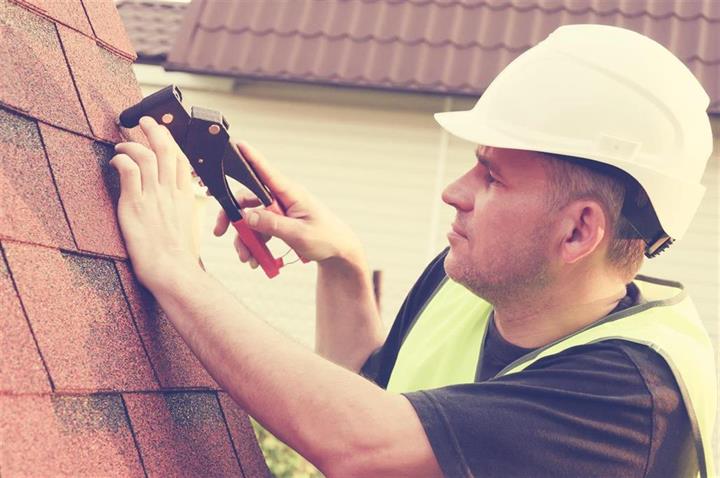
We live in the age of DIY. There are a ton of resources online, step by step tutorials, and video walkthroughs. You may have installed or repaired a few things around the house before and enjoyed the experience or learned useful skills that you want to put to use. But when it comes to your roof, you might want to seriously consider leaving this one to a qualified roofing contractors.
You might think you’re saving a lot of money by repairing or even installing your own roof. Even more-so than most home projects, roofing can be a massive investment. Even if you find a bargain on materials, you’re likely not getting the best deal possible. Many manufacturers will skip the middleman and instead offer extremely low prices to contractors directly, as they will buy in bulk and are a safe bet to properly use the materials, avoiding warranty claims. So no matter what sale you may find, you’re likely paying a premium on supplies because you’re not certified to do the job.
Almost all roofing material manufacturers only provide warranties if installing is done by a professional roofing contract. The reasoning is solid, if the installation misuses the materials, or damages them, the costs going forward will only multiply for you and them. Not only will your materials likely not get covered by warranty should an issue arrive, but the labor itself isn’t guaranteed at all when you DIY roofing jobs. Warranties can provide you with huge peace of mind, especially if you live in an area with harsh climate. They can also save you a ton of money down the road.
When you do a repair on your roof, you may think that it’s a superficial patch job, and you may be right. However, most visible damage that occurs has an underlying cause, or has done even more damage under the surface. If you’re just replacing a few shingles and think that’s that, you might be missing a root problem that will spread or ruin the repair work you’ve done. A professional can inspect and diagnose any underlying issues that come with visible damage, to assess whether deeper repairs are required. This can also save you time and money down the road, not to mention a lot of frustration. Not only will the job be more reliably done, the pros will likely make it look better than you would anyways. Aesthetics may not be your main concern, but a patch of crooked and discoloured shingles can really stand out.
Finally, because of the height and weight of materials involved in roofing, it can be very dangerous if you’re not properly trained. You should never attempt the job alone, and be sure you have the proper safety equipment to protect yourself. This equipment could be an unnecessary cost, and you may never even use it again. Save yourself the hassle, expenses, and potential serious injuries by letting a professional oversee the project for you. You’ll thank yourself later!